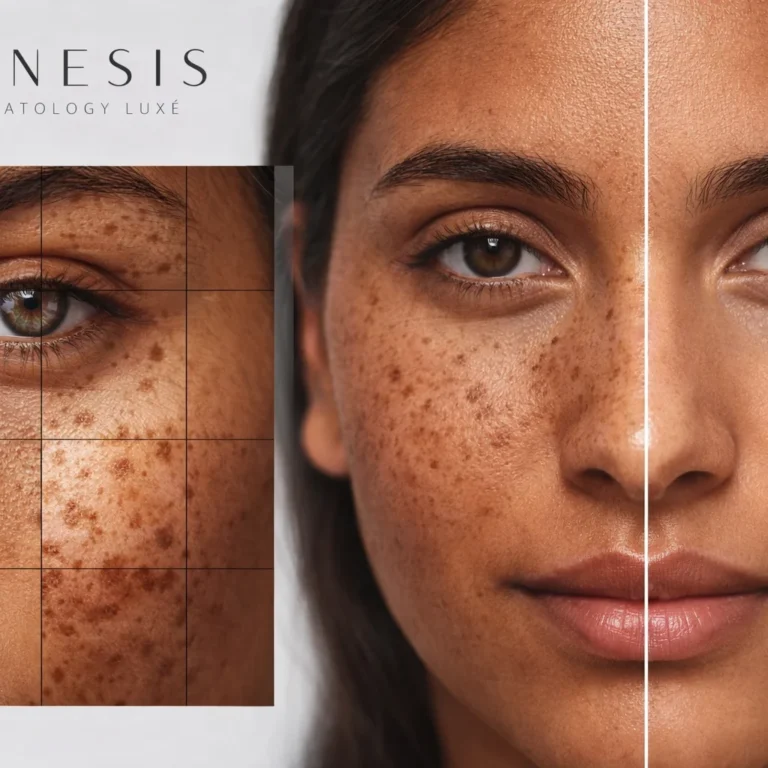
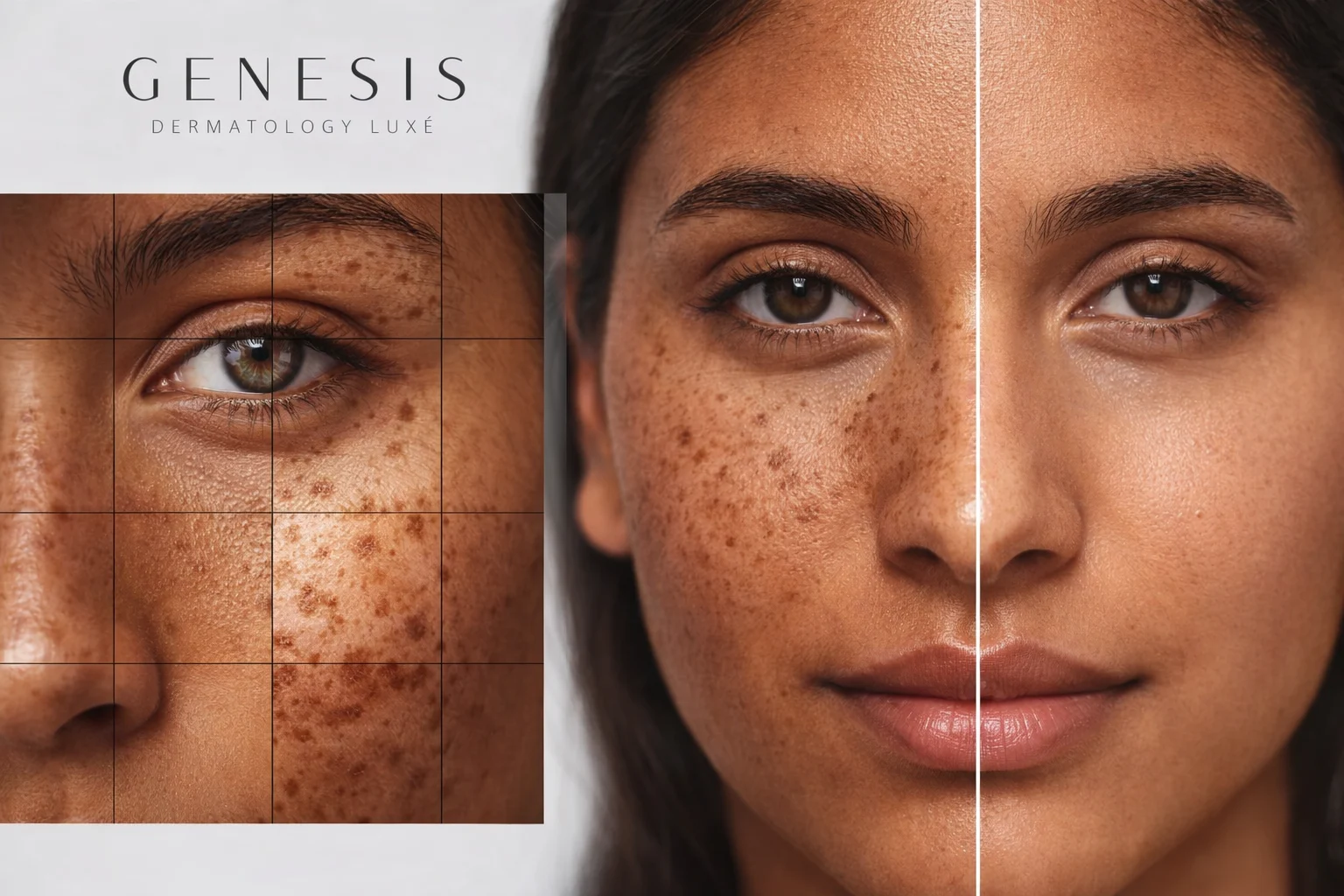
Pigmentation is one of the most common skin concerns among people with Indian skin tones, and it is also one of the most misunderstood. From stubborn melasma patches to post-acne dark spots and uneven skin tone caused by sun exposure, millions of Indians spend years and considerable money on creams, home remedies, and over-the-counter products that deliver very little.
If you have been on that same frustrating journey, the good news is that there is now a structured, medically sound, and genuinely affordable path to clearer skin. A trusted skin clinic in Coimbatore staffed by qualified dermatologists is the most reliable starting point for any pigmentation concern, and this guide will walk you through everything you need to know before you take that first step.
Key Takeaways
- Indian skin (Fitzpatrick types IV to VI) is highly prone to pigmentation disorders due to overactive melanocytes that respond aggressively to sun, hormones, and inflammation.
- Affordable and effective treatments exist, including chemical peels, laser therapy, microneedling, topical prescription combinations, and oral antioxidants.
- Self-treatment without dermatologist guidance can worsen pigmentation, especially in darker skin tones where incorrect procedures can trigger post-inflammatory hyperpigmentation.
- A qualified skin clinic in Coimbatore offers structured treatment plans that are customised for Indian skin and are far more cost-effective than repeated, ineffective home remedies.
- Consistency in treatment, sun protection, and lifestyle habits determines long-term outcome.
Table of Contents
- What Is Pigmentation in Indian Skin?
- Why Indian Skin Is More Vulnerable to Pigmentation
- Common Types of Pigmentation Seen in Indian Patients
- Affordable Treatment Options Available at a Skin Clinic in Coimbatore
- What to Expect During Your Dermatology Consultation
- Topical Treatments: Prescription vs. Over-the-Counter
- Advanced In-Clinic Procedures for Pigmentation
- Cost Breakdown: Why Clinic Treatment Is More Affordable Than You Think
- Lifestyle and Maintenance Tips After Treatment
- Why Us? Genesis Dermatology for Patients in coimbatore
- Frequently Asked Questions
1. What Is Pigmentation in Indian Skin?
Pigmentation refers to the colouring of the skin caused by a pigment called melanin, which is produced by specialized cells called melanocytes. When melanin production becomes uneven or excessive, it leads to visible dark patches, spots, or discolouration across various areas of the face and body. This condition is referred to as hyperpigmentation and it is extremely common in individuals with darker complexions.
For anyone visiting a skin clinic in Coimbatore, pigmentation is among the top three dermatological complaints alongside acne and hair loss. Unlike skin tones in other geographical populations, Indian skin has melanocytes that are inherently more reactive. Any trigger, whether it is sun exposure, hormonal fluctuation, friction, or even a minor wound, can prompt these cells to overproduce melanin, leaving behind a dark mark that can persist for months or even years without proper treatment.
It is important to understand that pigmentation in Indian skin is not simply a cosmetic inconvenience. In many cases it reflects an underlying imbalance, whether hormonal, inflammatory, or sun-induced, and requires a clinical assessment before any treatment is initiated. A skin clinic in Coimbatore with experienced dermatologists can identify the root cause and prescribe a solution that addresses both the symptom and the source.
2. Why Indian Skin Is More Vulnerable to Pigmentation
The Fitzpatrick skin type scale classifies human skin from Type I (very fair) to Type VI (very dark). The majority of people in Tamil Nadu and across South India fall between Types IV and VI, and this classification carries significant clinical implications. Higher Fitzpatrick types have a greater density of melanin and more reactive melanocytes, which means both triggers and treatments must be approached with extra care.
Factors that make Indian skin particularly susceptible include:
- Intense and year-round UV radiation in South India, which continually stimulates melanin production.
- Hormonal changes related to pregnancy, thyroid conditions, and oral contraceptive use, all of which are common triggers for melasma.
- Post-inflammatory hyperpigmentation (PIH) following acne, rashes, insect bites, or cosmetic procedures done without proper clinical supervision.
- Widespread use of unregulated fairness creams and bleaching agents that initially suppress melanin but cause a rebound hyperpigmentation effect.
- Nutritional deficiencies including low levels of Vitamin D, B12, and folate that can alter melanin regulation.
This is precisely why visiting a properly equipped skin clinic in Coimbatore matters so much. Generic treatments formulated for lighter skin types can cause irreversible damage to Indian skin if applied without customisation.
3. Common Types of Pigmentation Seen in Indian Patients
Understanding which type of pigmentation you have is the foundation of effective treatment. Every experienced dermatologist at a skin clinic in Coimbatore will perform a thorough diagnostic evaluation, often using a Wood’s lamp or dermoscope, before recommending any course of action.
Melasma
Melasma presents as symmetrical, brownish or greyish patches typically appearing on the cheeks, forehead, upper lip, and chin. It is extremely prevalent in Indian women, particularly during pregnancy and in those on hormonal medication. It is classified as epidermal, dermal, or mixed depending on how deep the pigment lies, and this classification determines which treatments will be effective.
Post-Inflammatory Hyperpigmentation (PIH)
PIH is the dark mark left behind after any inflammatory skin event, most commonly acne. In Indian skin, even mild acne can leave behind marks that persist for six months to a year without treatment. A skilled dermatologist at a skin clinic in Coimbatore will differentiate PIH from active acne scars, since the treatments differ considerably.
Periorbital Hyperpigmentation (Dark Circles)
Dark circles under the eyes are a multi-factorial issue in Indian skin. Causes include thin under-eye skin that reveals underlying blood vessels, excess melanin deposition, allergies, and chronic fatigue. The right treatment depends entirely on identifying the primary cause through a proper clinical examination.
Freckles and Solar Lentigines
While freckles are genetic, solar lentigines (commonly called age spots or sun spots) accumulate over years of UV exposure. Both respond well to targeted treatments available at any well-equipped skin clinic in Coimbatore, including Q-switched laser therapy and chemical peels.
Drug-Induced and Contact Pigmentation
Long-term use of certain medications including anti-malarials, tetracyclines, and anti-epileptics can cause diffuse skin darkening. Contact pigmentation from hair dyes, perfumes, and metal jewellery is also common. These cases require a detailed history and are best managed under clinical supervision.
4. Affordable Treatment Options at a Skin Clinic in Coimbatore
One of the most persistent myths about dermatological care is that it is prohibitively expensive. The reality is that a structured treatment plan from a skin clinic in Coimbatore is often far more economical than the cumulative cost of trying multiple over-the-counter products over years. Here is a breakdown of what affordable, evidence-based pigmentation treatment actually involves.
Topical Prescription Combinations
The first line of treatment for most pigmentation conditions involves prescription-grade topical agents that are not available over the counter. These include combinations of hydroquinone, tretinoin, and mild corticosteroids (commonly known as triple combination therapy), as well as newer agents like tranexamic acid, azelaic acid, kojic acid, and niacinamide at therapeutic concentrations. These formulations, when prescribed by a dermatologist and used correctly, deliver significant improvement over eight to twelve weeks.
Chemical Peels
Chemical peels are one of the most popular and cost-effective in-clinic treatments for pigmentation. A skilled dermatologist at a skin clinic in Coimbatore will select the appropriate peel type and concentration based on your skin type and pigmentation depth. Glycolic acid peels, lactic acid peels, and Jessner’s solution are particularly well-tolerated by Indian skin. A course of four to six sessions spaced two to three weeks apart produces visible results for melasma, PIH, and uneven tone.
Q-Switched Nd:YAG Laser
The Q-switched Nd:YAG laser is considered the gold standard for pigmentation treatment in darker skin types because it selectively destroys melanin deposits without damaging surrounding tissue. It is highly effective for solar lentigines, freckles, and certain forms of dermal melasma. Modern laser equipment at a reputable skin clinic in Coimbatore makes this procedure safe, precise, and increasingly affordable, with noticeable improvement after three to five sessions.
Microneedling with Topical Serums
Microneedling creates micro-channels in the skin that dramatically enhance the absorption of depigmenting serums such as tranexamic acid and Vitamin C. This combination is particularly effective for epidermal melasma and PIH and is well tolerated by Indian skin types. The cost per session is moderate and outcomes are significantly better than topical application alone.
Oral Antioxidants and Supplements
Oral tranexamic acid, Glutathione with Vitamin C, Polypodium leucotomos extract, and Vitamin D supplementation have all shown evidence of benefit in reducing pigmentation from within. A dermatologist at a skin clinic in Coimbatore can assess your deficiency profile and prescribe a targeted supplement plan that complements your topical and procedural treatments.
5. What to Expect During Your Dermatology Consultation
Many patients are unsure of what happens during their first visit to a skin clinic in Coimbatore. Understanding the process helps reduce anxiety and ensures you make the most of your appointment.
Your consultation will typically involve a detailed discussion of your skin history, including past treatments, current skincare products, medications, and diet. The dermatologist will then examine your skin under specialised lighting and may perform a Wood’s lamp assessment to determine whether the pigmentation is epidermal or dermal. Based on this evaluation, a written treatment plan will be prescribed that outlines both in-clinic procedures and a home care regimen.
You should also expect a thorough discussion about realistic timelines. Pigmentation, especially melasma, is a chronic condition that requires maintenance even after initial clearance. A good dermatologist will prepare you for this and structure your follow-up appointments accordingly.
6. Topical Treatments: Prescription vs. Over-the-Counter
The Indian skincare market is flooded with products claiming to reduce dark spots, brighten skin, and eliminate pigmentation. Understanding the difference between prescription and over-the-counter (OTC) products is critical to avoiding wasted money and potential harm.
OTC products available at pharmacies typically contain low concentrations of ingredients like niacinamide (2 to 5%), kojic acid, arbutin, and Vitamin C. While these can provide mild brightening and maintenance benefits, they are rarely sufficient for established pigmentation disorders like melasma or PIH.
Prescription formulations available through a skin clinic in Coimbatore contain active ingredients at therapeutic concentrations that require medical supervision. Hydroquinone at 2 to 4%, tretinoin at 0.025 to 0.1%, and combination formulations deliver results that no OTC product can match. The key is proper usage guidance, since misuse of these ingredients, particularly tretinoin, can cause irritation and paradoxical worsening.
7. Advanced In-Clinic Procedures for Pigmentation
Beyond the standard treatments discussed earlier, a fully equipped skin clinic in Coimbatore will offer advanced modalities for cases that do not respond to first-line treatment.
- Fractional CO2 Laser: Used for deep dermal pigmentation and acne scars, fractional lasers create controlled micro-injuries that stimulate collagen remodelling and reduce melanin deposits. This is typically reserved for resistant cases and requires careful selection of parameters for Indian skin.
- Intense Pulsed Light (IPL): IPL is effective for superficial sun damage, freckles, and solar lentigines. It works by targeting the melanin chromophore with broad-spectrum light and is best suited for lighter Indian skin types within the Fitzpatrick IV range.
- PRP (Platelet-Rich Plasma) Therapy: Emerging evidence supports the use of PRP combined with microneedling for melasma. The growth factors in
- PRP modulate melanocyte activity and reduce pigmentation while also improving overall skin texture and firmness.
Mesotherapy: Microinjections of depigmenting cocktails containing tranexamic acid, Vitamin C, and glutathione directly into the skin offer targeted treatment for stubborn melasma and periorbital hyperpigmentation.
8. Cost Breakdown: Why Clinic Treatment Is More Affordable Than You Think
A common barrier to seeking professional help is the perception that dermatological treatment is costly. In reality, the total cost of visiting a skin clinic in Coimbatore for a structured pigmentation program is often lower than what most patients have already spent on ineffective products.
A standard consultation at a reputable dermatology clinic ranges between Rs. 300 and Rs. 700. A chemical peel session costs between Rs. 800 and Rs. 2,500 depending on the type and area treated. A course of four to six peels, which is what most patients need for visible improvement, amounts to a total spend of Rs. 4,000 to Rs. 12,000, a figure that most people spend monthly on brightening serums and creams without any clinical outcome.
Laser treatments at a skin clinic in Coimbatore are priced per session and vary depending on the technology used and the area treated. Q-switched laser sessions for pigmentation typically range from Rs. 1,500 to Rs. 5,000 per session. For most patients, a package of four to six sessions provides a comprehensive treatment cycle.
9. Lifestyle and Maintenance Tips After Treatment
The success of any pigmentation treatment depends heavily on what you do outside the skin clinic in Coimbatore. Post-treatment care and daily habits are as important as the procedures themselves.
- Sun protection is non-negotiable. A broad-spectrum sunscreen with SPF 50 or higher should be applied every morning and reapplied every three to four hours during outdoor activity. UV radiation is the most common trigger for pigmentation relapse.
- Avoid skin irritants including harsh scrubs, alcohol-based toners, and fragranced products, especially in the early weeks after a procedure.
- Maintain hydration. Well-hydrated skin recovers faster and responds better to depigmenting agents. Use a gentle, non-comedogenic moisturiser daily.
- Follow a diet rich in antioxidants. Foods high in Vitamin C, Vitamin E, lycopene, and beta-carotene support the skin’s natural melanin regulation and enhance the effects of your treatment.
- Manage hormonal triggers. If melasma is hormone-driven, discuss alternative contraceptive options with your doctor and have your thyroid function assessed.
- Do not self-medicate between sessions. Introducing new skincare products without your dermatologist’s approval can interfere with your treatment plan.
10. Why Us? Genesis Dermatology for Patients in Coimbatore
If you are based in coimbatore and have been searching for a skin clinic in Coimbatore with a credible track record for pigmentation treatment, Genesis Dermatology is the name you need to know.
Genesis Dermatology is a specialist dermatology practice led by qualified and experienced dermatologists who have built a deep clinical understanding of Indian skin over years of practice. The clinic offers a comprehensive range of pigmentation treatments including prescription topical therapy, chemical peels, Q-switched laser, microneedling, and oral systemic treatments, all customized for the unique characteristics of Indian skin types.
What sets Genesis Dermatology apart is the combination of genuine clinical expertise, transparent pricing, and a patient-first approach that prioritises long-term results over quick fixes. Every patient receives a personalised treatment plan developed after a thorough assessment, and every procedure is performed under the direct supervision of a registered dermatologist.
Whether you are dealing with melasma that has not responded to creams, PIH from old acne marks, or generalized uneven skin tone, Genesis Dermatology has the tools, the expertise, and the commitment to deliver results that are real, lasting, and affordable. Residents from coimbatore can easily access the clinic and benefit from the same high standard of dermatological care that has made Genesis Dermatology a preferred choice for patients seeking the best skin clinic in Coimbatore experience.
Take the first step toward clearer, more confident skin. Book your consultation with Genesis Dermatology today and discover what a structured, evidence-based treatment plan can do for your skin.
11. Frequently Asked Questions
Q1. How many sessions does it take to see results for pigmentation treatment at a skin clinic in Coimbatore?
The number of sessions required depends on the type, depth, and severity of your pigmentation. For epidermal melasma and mild PIH, visible improvement is typically seen within four to six chemical peel sessions combined with daily prescription topical therapy. Dermal pigmentation and resistant melasma may require a combination of Q-switched laser and microneedling over three to six months. Your dermatologist at a skin clinic in Coimbatore will map out a realistic timeline at your initial consultation.
Q2. Is laser treatment safe for Indian skin tones?
Yes, laser treatment is safe for Indian skin when performed by a qualified dermatologist using the appropriate laser type and settings. The Q-switched Nd:YAG laser is specifically designed for higher Fitzpatrick skin types and has a strong safety record for Indian patients. The key is to ensure the procedure is carried out at a properly equipped skin clinic in Coimbatore by a trained professional who understands the nuances of treating darker skin.
Q3. Can pigmentation come back after treatment?
Pigmentation, particularly melasma, is a chronic condition and can recur if triggering factors are not managed. Sun exposure, hormonal changes, and unregulated product use are the most common reasons for relapse. After completing your initial treatment plan at a skin clinic in Coimbatore, your dermatologist will prescribe a maintenance regimen that includes sun protection, periodic clinic sessions, and appropriate at-home care to keep the pigmentation from returning.
Q4. Are pigmentation treatments affordable for the average patient in Tamil Nadu?
Absolutely. The cost of a structured dermatological treatment at a reputable skin clinic in Coimbatore is modest when compared to the long-term expense of ineffective OTC products. Consultations are reasonably priced and in-clinic procedures such as chemical peels are accessible to most patients. Many clinics offer treatment packages that bring the overall cost per session down considerably, making professional pigmentation care a sensible and affordable choice.
Q5. How do I choose the right skin clinic in Coimbatore for pigmentation treatment?
Look for a clinic that is led by a qualified dermatologist (MD or DNB Dermatology), uses certified medical-grade equipment, and follows evidence-based treatment protocols. The right skin clinic in Coimbatore should offer a thorough consultation before recommending any procedure, provide transparent pricing, and have documented clinical experience with Indian skin types. Patient reviews, before-and-after documentation, and a willingness to explain your diagnosis and treatment plan are all positive indicators of a trustworthy clinic.
Conclusion
Pigmentation in Indian skin is a deeply common and emotionally impactful concern, but it is also highly treatable when approached with the right clinical expertise and a consistent commitment to care. The journey begins with a single consultation at a trusted skin clinic in Coimbatore, where a qualified dermatologist can assess your unique skin profile and build a treatment plan that is effective, safe, and genuinely affordable. Whether you are dealing with melasma, post-acne marks, sun damage, or dark circles, the right treatment is closer and more accessible than you may think. Stop spending on products that promise results they cannot deliver, and invest instead in a clinical solution that is backed by science and designed for your skin.
Add a Comment