A dermatologist-led approach to pigmentation correction using advanced lasers, chemical peel and regenerative therapies.


The number of sessions depends on the type, depth, and cause of pigmentation. Mild tanning or superficial pigmentation may improve within 2–3 sessions, while deeper conditions such as melasma or long-standing pigmentation may require multiple sessions over a few weeks or months. During your consultation at Genesis Dermatology Luxe, our dermatologist will assess your skin and recommend a personalised treatment plan.
There is no single treatment that works for every type of pigmentation. The best results usually come from a combination approach, such as:
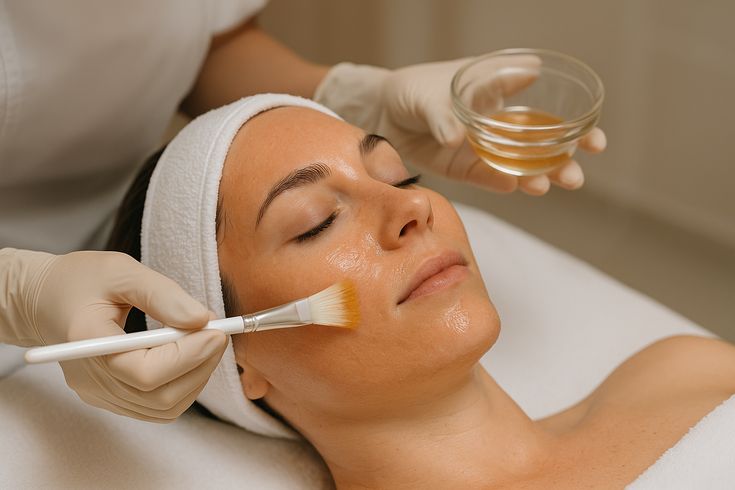
Chemical peels to remove damaged skin layers
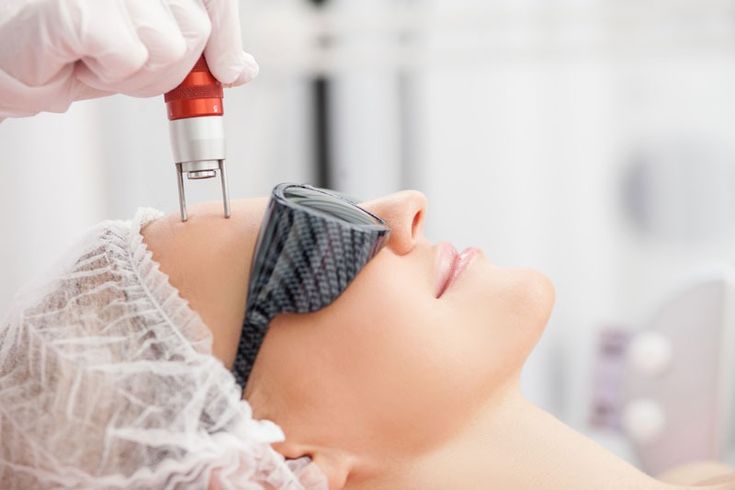
Q-Switch laser to target deeper melanin deposits
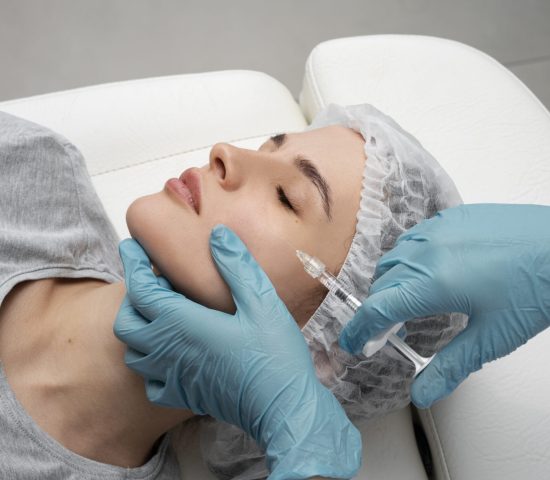
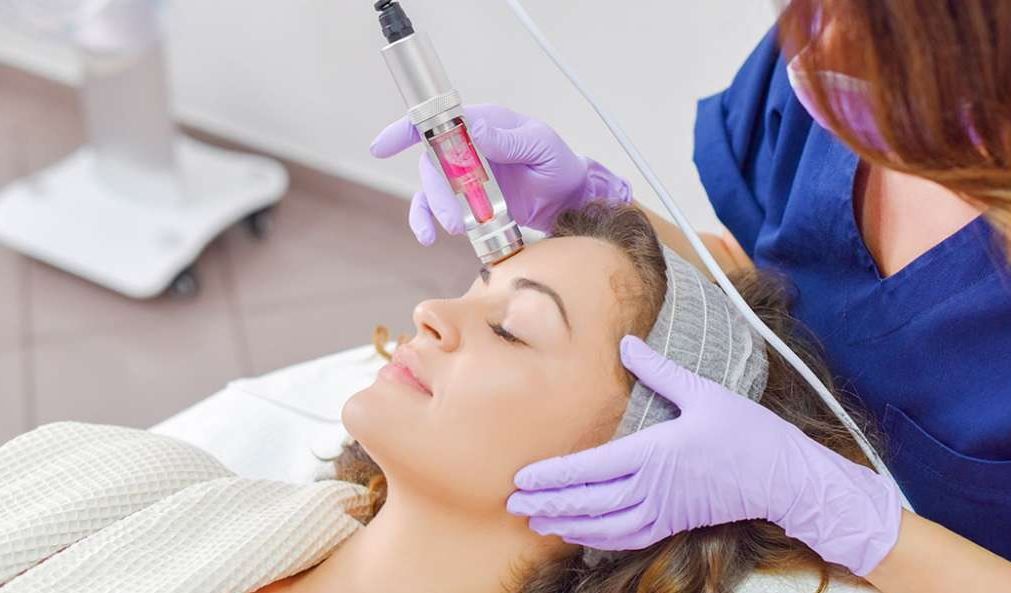
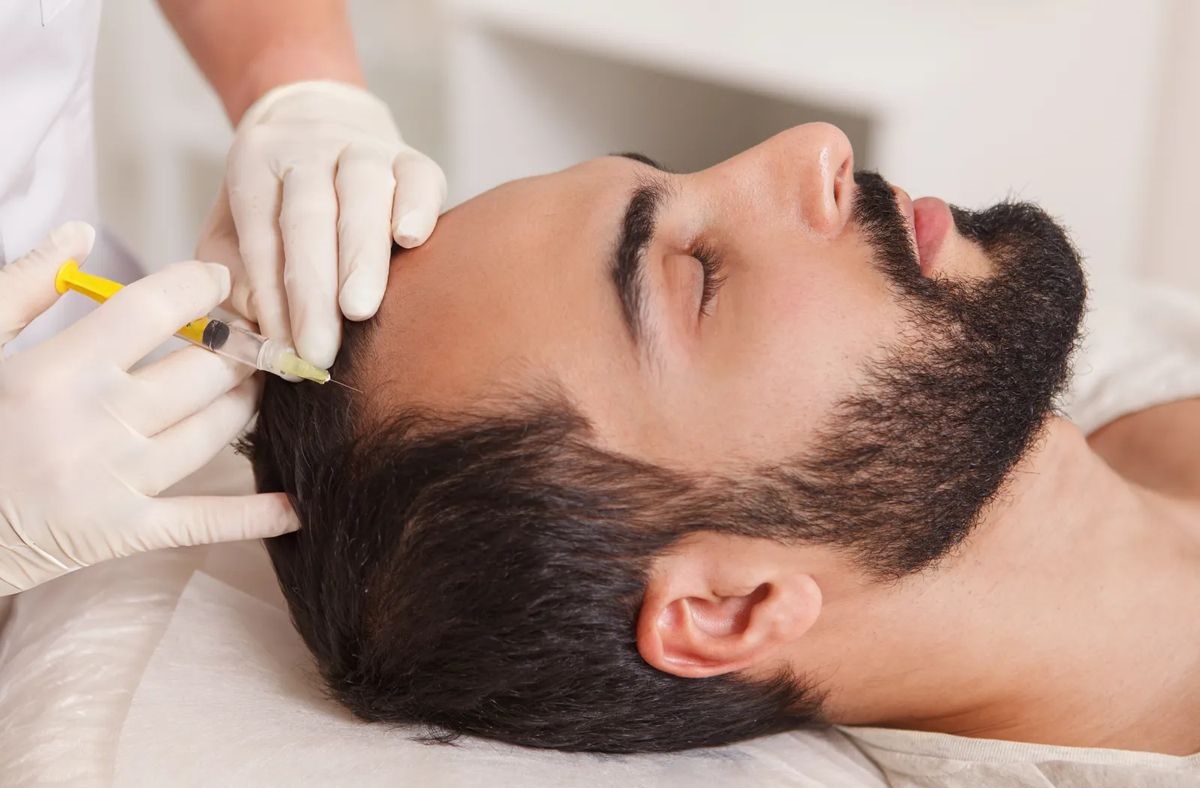
PRP or mesotherapy to improve skin repair and tone
Your dermatologist will select the most suitable treatment depending on your skin type, pigmentation depth, and sensitivity.
Yes. Q-Switch laser treatments are widely used in dermatology to safely target excess melanin without damaging surrounding skin. When performed under expert supervision with the right settings for your skin type, laser treatments can significantly improve pigmentation, dark patches, and uneven tone with minimal discomfort and no downtime.
Most pigmentation treatments involve minimal discomfort. Procedures such as chemical peels or laser therapy may cause a mild tingling or warm sensation, which usually lasts only a few minutes. Our clinic prioritises patient comfort, and treatments are performed using techniques that minimise discomfort.
Downtime varies depending on the treatment chosen.
Laser treatments and mesotherapy: usually no downtime
Mild chemical peels: minimal downtime
Moderate peels: 3–5 days of mild peeling
Deep peels: up to 7–10 days of recovery
Your dermatologist will explain the expected recovery time before starting treatment.
Pigmentation can recur if triggers such as sun exposure, hormonal changes, or improper skincare are not managed. To maintain long-term results, we recommend:
Daily use of broad-spectrum sunscreen
Following the prescribed medical skincare routine
Periodic maintenance treatments if required
With proper care, results can be long-lasting and significantly improved.
Some patients notice improvement in skin brightness and clarity after the first session, especially with treatments such as chemical peels or glutathione therapy. However, deeper pigmentation usually improves gradually over multiple sessions, as the skin naturally renews itself.
Pigmentation treatments are suitable for individuals experiencing:
Melasma
Sun damage
Uneven skin tone
Post-acne pigmentation
Tanning or dull skin
A consultation with our dermatologist will help determine the most effective treatment for your specific skin concern.